white line

Giving

Advance the Mission

Every gift makes a difference

Featured

Pioneer Mug Club

New this year, the Pioneer Mug Club recognizes donors who give $25 or more every month to any project across campus. When choosing to support MNU, you won’t just receive an annual coffee mug; you will play an enormous and active role in supporting MNU’s students.

Each year, you will receive a mug designed by an MNU student or alumnus. This year’s mug is designed by junior elementary and music education major Mya Meinke.

We hope that when you use this mug, it will remind you of the vital role you play in the lives of our students. We encourage you to take a moment to pray for these students and for MNU’s leaders as we strive to be a Christlike community committed to academic excellence and a passion for service.

Meet the Greatest Need

Annual Giving Options

Join the Event

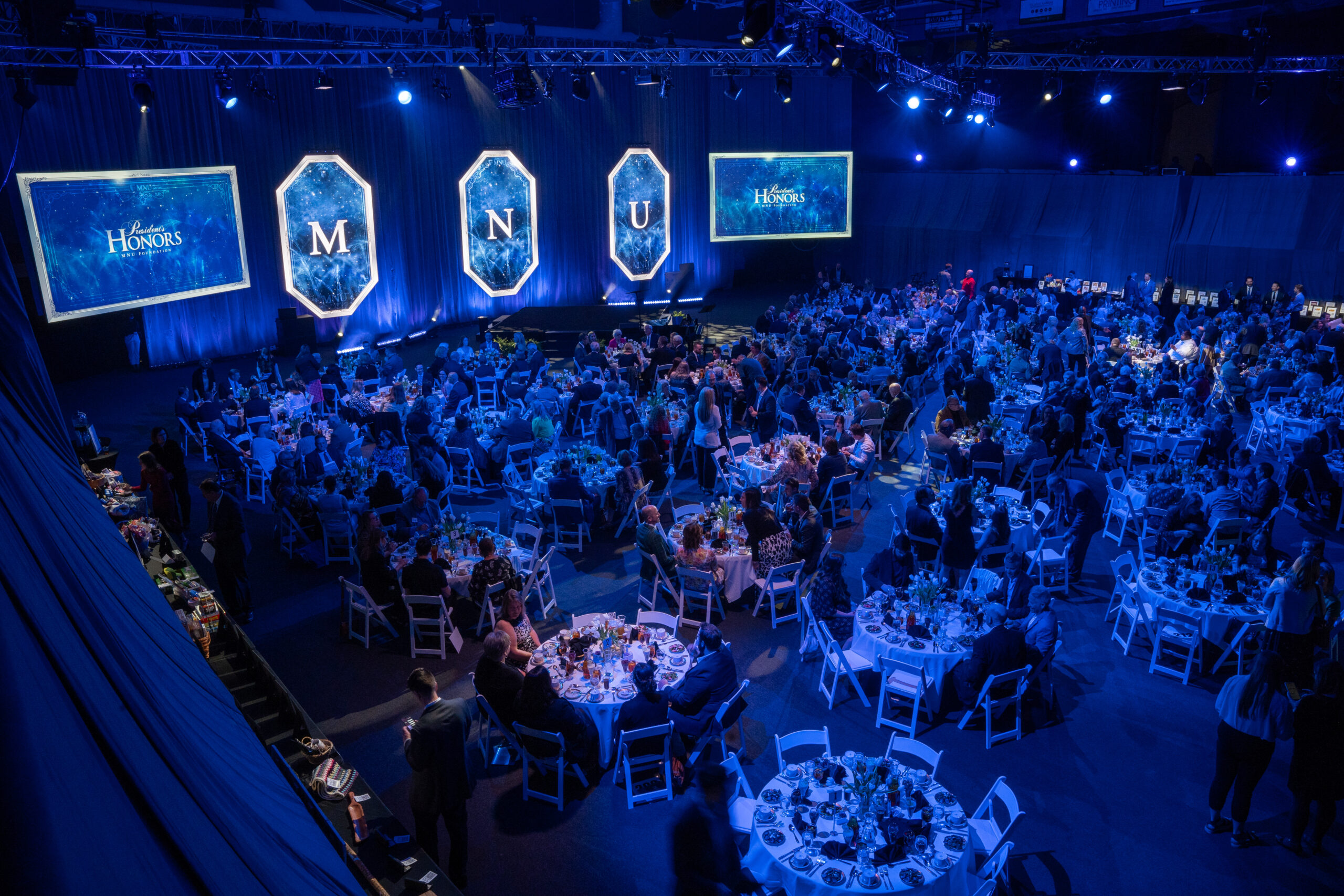
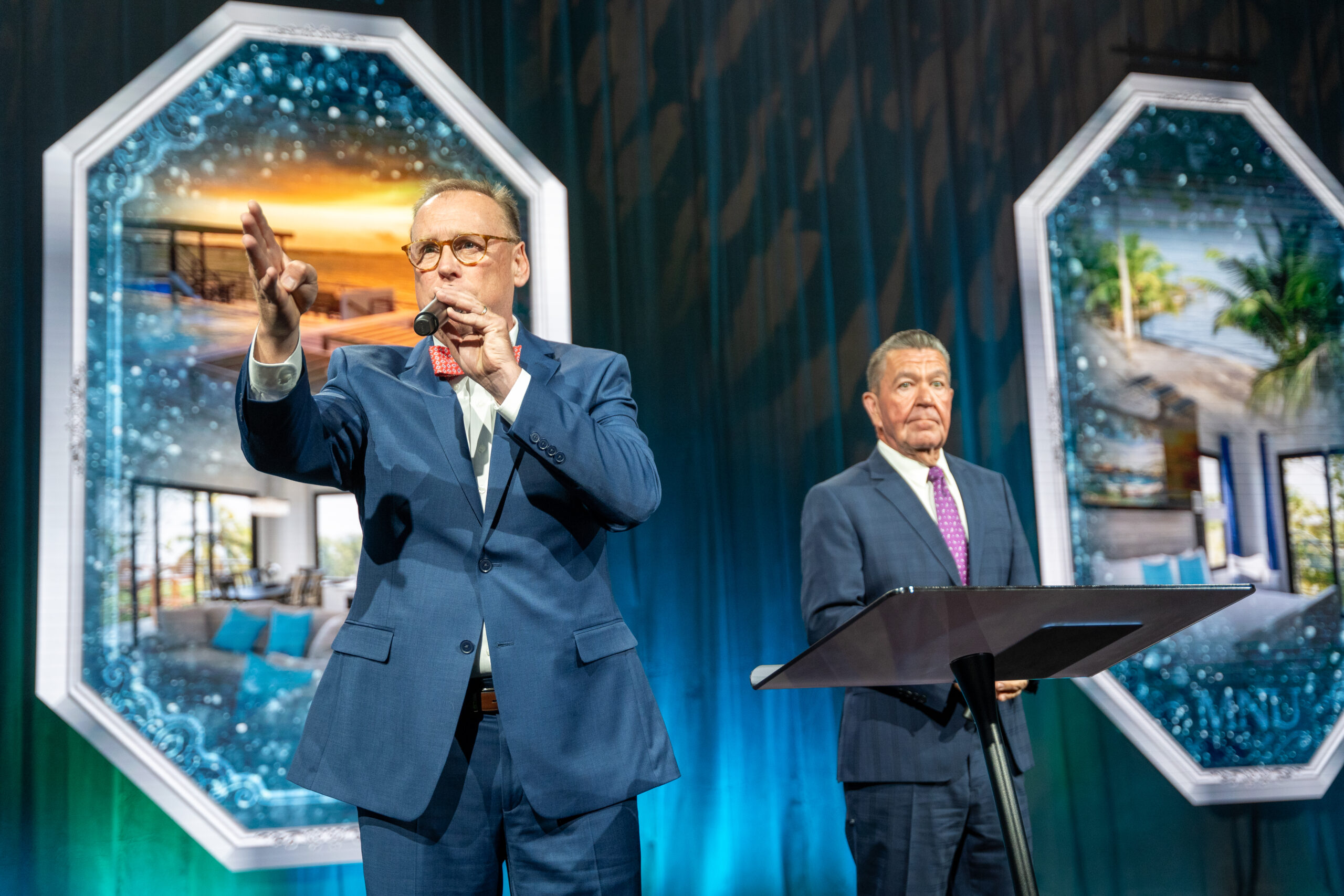
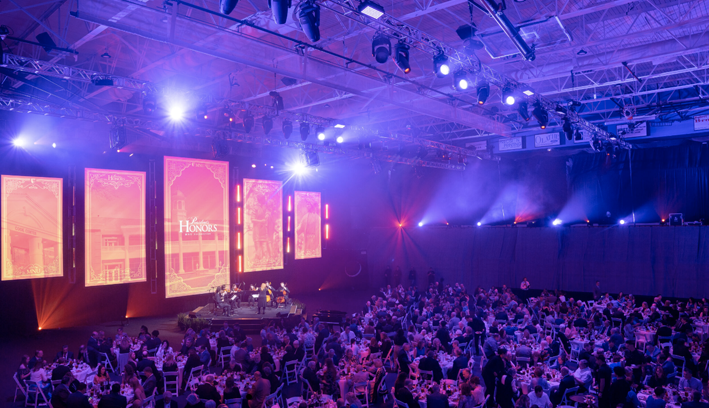
President’s Honors

Support the Projects

Designated Giving Options

Impart Your Legacy

Planned Giving Options

Endow the Future

Create an Endowment

Build the Vision

Bright Futures Campaign

Contact Us

2030 E. College Way
Olathe, KS 66062-1899

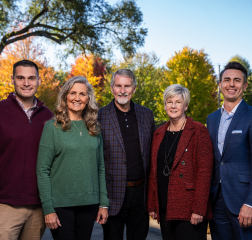
Development Team

Todd Garrett
Todd
Garrett
Vice President for University Advancement & Athletics
Christa Jenkins
Christa
Jenkins
Associate Vice President
Roger Alexander
Roger
Alexander
Director of Development
Eric Bryant
Eric
Bryant
Director of Development
Colleen Mitchell
Colleen
Mitchell
Annual Giving Manager
Pete Brumbaugh
Pete
Brumbaugh
Executive Director of University Communications & Alumni Engagement
Casey McDorman
Casey
McDorman
Director of Events & Conference Services

Dr. Abby Hodges

Vice President for Academic Affairs

PhD; Organic Chemistry, Yale University 
MS; Organic Chemistry, Yale University 
BS; Chemistry, Denison University

Dr. Hodges began her career in higher education at Azusa Pacific University as a chemistry professor from 2008 to 2014. She then moved to MNU where she taught and in 2018 was appointed Chair of the Department of Natural, Health, and Mathematical Sciences. From 2022-2023, before accepting the Interim Vice President for Academic Affairs, Dr. Hodges was the Dean of the College of Arts and Sciences.

Dr. Hodges’ career research has focused on protein folding and protein engineering, and she has mentored over twenty students in these research projects. She has also furthered the MNU first-year experience program and chaired the General Education committee for five years. Dr. Hodges was recognized as the MNU Faculty of the Year in 2021.

Dr. Hodges lives in Olathe with her husband Ryan and two boys.

University Cooperative Program

Advantages of the MNU & Washington University School of Engineering and Applied Science cooperative program:

  • 3+2 Option: Students spend 3 years at MNU and then transfer to WashU for 2 years to earn an undergraduate engineering degree from WashU and a bachelor’s degree from MNU, or
  • 3+3 Option: Students spend 3 years at MNU and then transfer to WashU for 3 years to earn an undergraduate engineering degree from WashU, a bachelor’s degree from MNU, plus a master’s in engineering from WashU.
  • Combines the best of MNU with the strength of a top engineering school
  • Students participating in the 3+3 options receive a 50-60% tuition discount at WashU
  • GRE is not required for admission

To qualify for entry into the program at MNU students must:

  • Enter the program at MNU at the beginning of the freshman year through the application process
  • Maintain an overall GPA of 3.25 or better in science and mathematics courses
  • Meet regularly with the MNU pre-professional committee

To qualify for program completion at WashU students must:

  • Complete all General Education requirements at MNU
  • Complete a minimum of 90 credit hours of transferable college credit
  • Complete the following courses:
    • Chemistry: one semester of general chemistry with lab
    • Computer Programming: One course or certified proficiency in a high-level language
    • English Composition: One course or certified proficiency
    • Humanities and Social Sciences: At least 15 hours (see WashU website for specific prerequisites)
    • Mathematics: See WashU website for specific prerequisites
    • Physics: One year calculus-based physics with lab
  • See WashU website for department-specific prerequisites

To learn more about program offerings at MNU and degree specific prerequisites, visit engineering.wustl.edu/dualdegree

Other restrictions and qualifications may apply.

For additional information, contact Craig Masters at cmasters@mnu.edu